The Aquada-method
The Aquada-method has the potential to cut inspection costs by up to 50 %, when applied to a baseline land-based wind farm consisting of twenty 2.45 MW turbines.
Source: https://doi.org/10.1002/we.2587

Developed at the Technical University of Denmark (DTU), AQUADA technology is an AI-driven, non-stop, non-contact system for inspecting wind turbine blades. It enables faster, more reliable, and safer inspections of large wind turbines while accelerating the development of new blades.
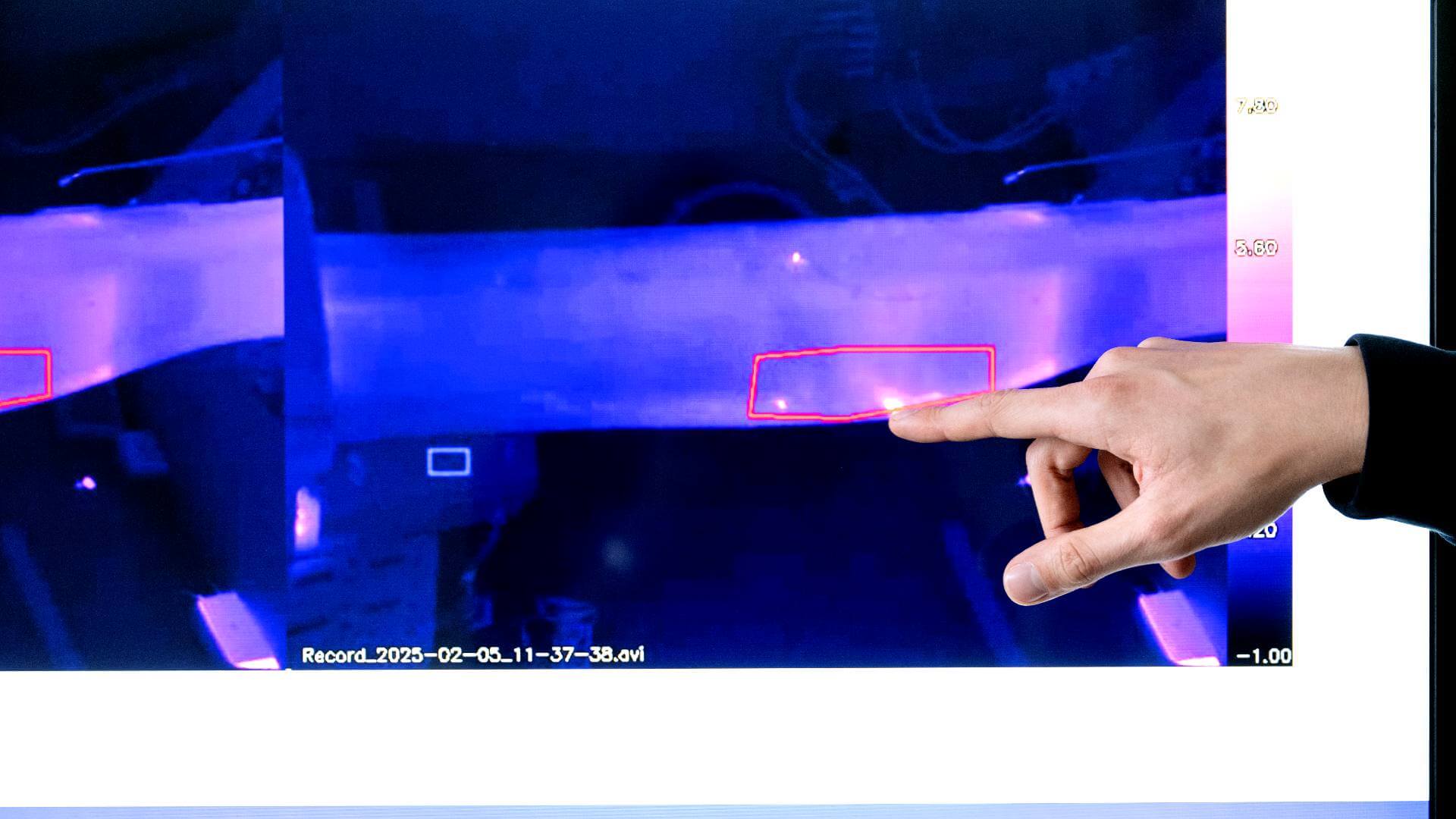
AQUADA (Automated Quantification of Damages) combines thermography and computer vision to remotely detect damage beneath the blade surface — all while the turbines remain in operation or undergo certification tests. This means no shutdowns, no manual inspections, no stops during certification tests, just faster, safer, and more efficient monitoring.
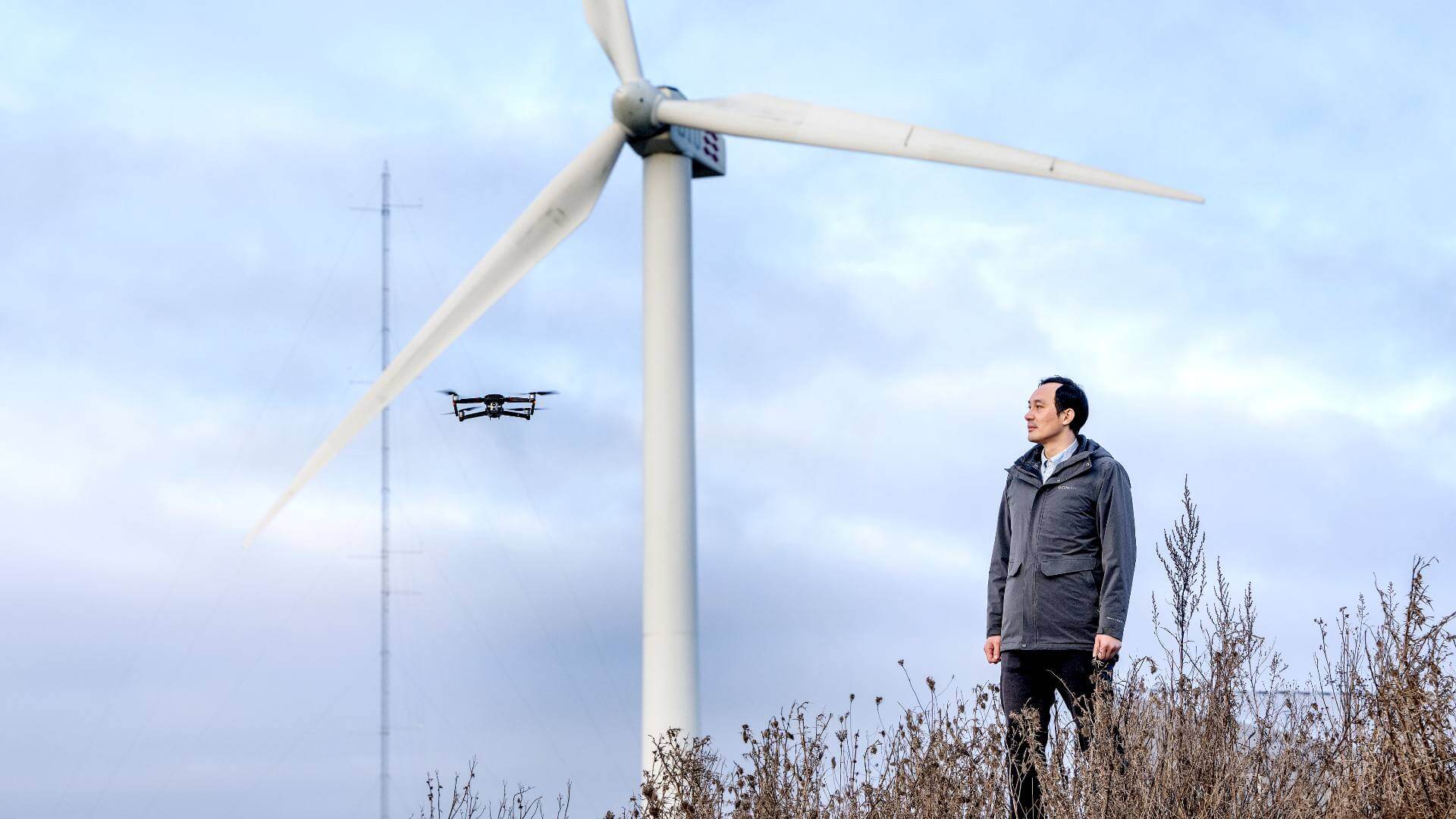
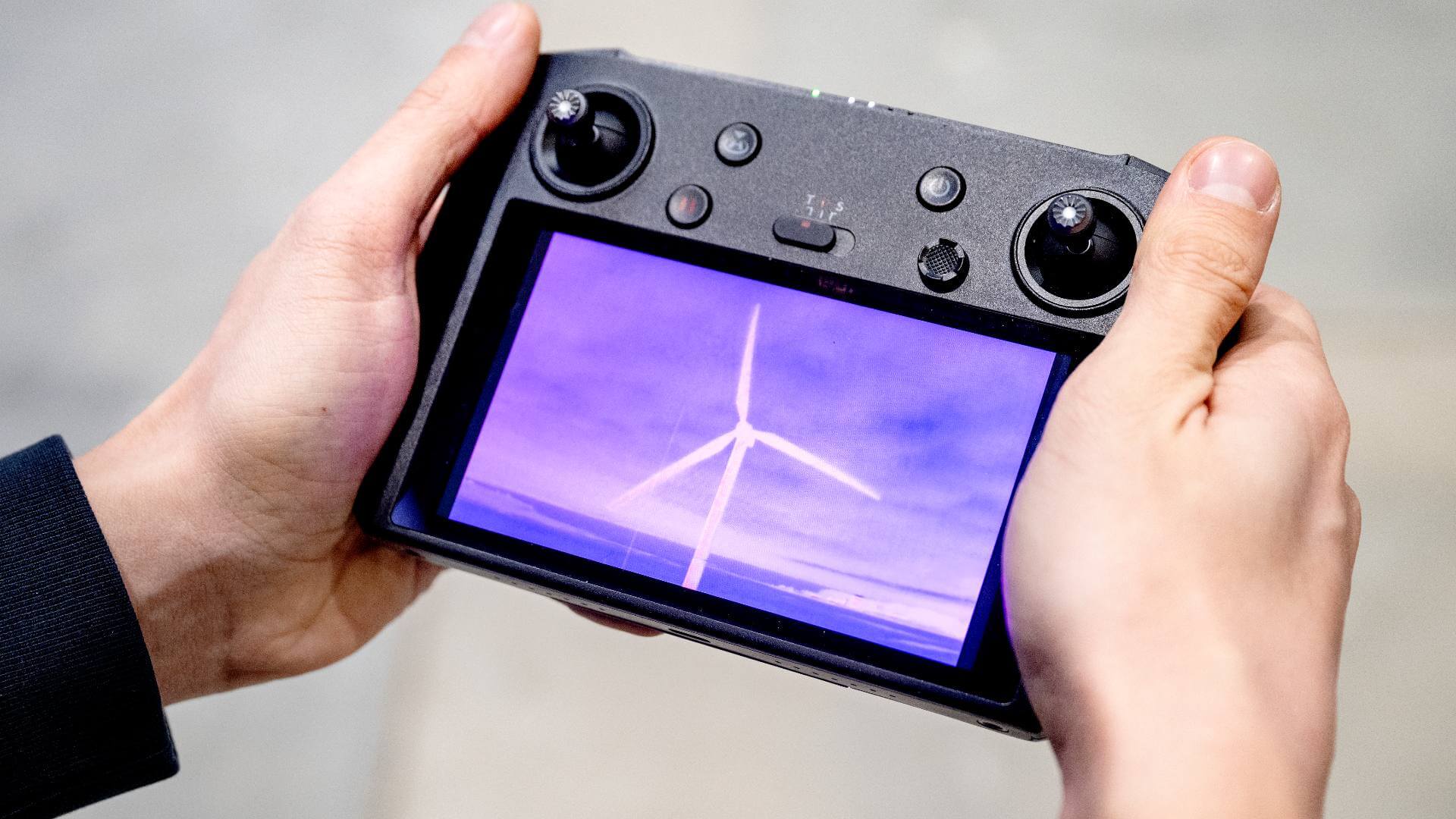



For in-site blade inspections, an aerial drone equipped with a thermal camera captures the images of blades during normal operation. While for blade certification tests, an adaptable thermal camera platform with modular AI software and a user-friendly interface is used.
A computer vision algorithm processes the images to detect cracks, monitor their growth, and guide expert decisions.


Europe needs to increase its renewable energy production to achieve self-sufficiency, meet its growing demand, and fulfil its climate goals. Offshore wind plays a central role in this transition.
To improve efficiency and boost energy production, wind turbines have become larger and are increasingly placed offshore, where wind resources are better. This development has also driven up repair and maintenance costs and highlighted the need for a more efficient certification process for new blades. Whether during operation or throughout the certification process, there is a clear need for simple and effective methods to detect subsurface damage in the blades.
For in-field blade inspections, the methods commonly used today—rope access technicians and camera-drone inspection with analysis by inspection experts—are labour-intensive, require turbine shutdown, detect only surface-level damage, and inspection results need human interpretation in a separate step.
For blade certification tests, every new blade must go under rigorous certification tests before mass production, including fatigue tests at the blade’s natural frequency. As blades become larger, these fatigue tests take longer, and they are harder to inspect using conventional methods. Currently, tests are typically stopped 2-3 times per week for visual inspections, each lasting around 3-7 hours. For blades exceeding 100 meters in length, these inspections pose a significant operational challenge.
The integrated hardware/software AQUADA solution overcomes these challenges for in-field blade inspections and certification tests with a fully automated, noncontact solution that enables near real-time subsurface damage detection and risk evaluation in a single step without shutdowns or stopping the tests.
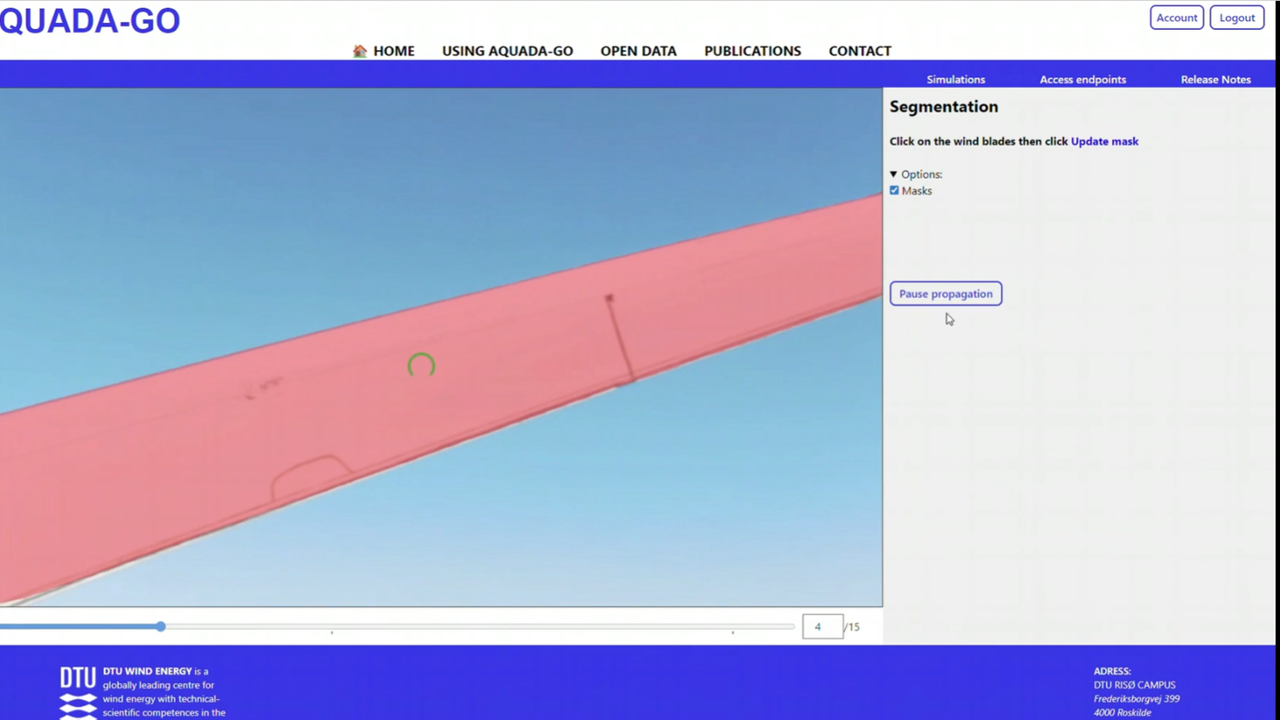
DTU has developed and deployed a RESTful API to enable access to AQUADA AI abilities. This API serves as a critical bridge between academic innovation and industrial application, offering a standardised interface for external stakeholders to connect to AQUADAS’s blade segmentation and anomaly detection models.
You are welcome to contact us to learn more about the Aquada technology and its further development?
Email: aquada@dtu.dk
Xiao Chen Head of Section Department of Wind and Energy Systems xiac@dtu.dk
From state-of-the-art research to advanced blade inspection technology
DTU Wind has conducted several studies that made a technology leap to passive thermography for blade inspection. The AQUADA technology was developed using a 14.3-meter-long research blade at DTU’s laboratory. The AQUADA technology brings passive thermography to a completely new level by bringing automation, digitalization, and scientific rigor into large-scale applications.
DTU Wind has also further developed AQUADA technology (AQUADA-PLUS) to detect and track multiple damaged sites with a moving blade and a moving camera - an important new functionality to inspect blades where several critical regions need to be inspected simultaneously. The damage progression of each damage site is evaluated individually and at the same time during the blade test.


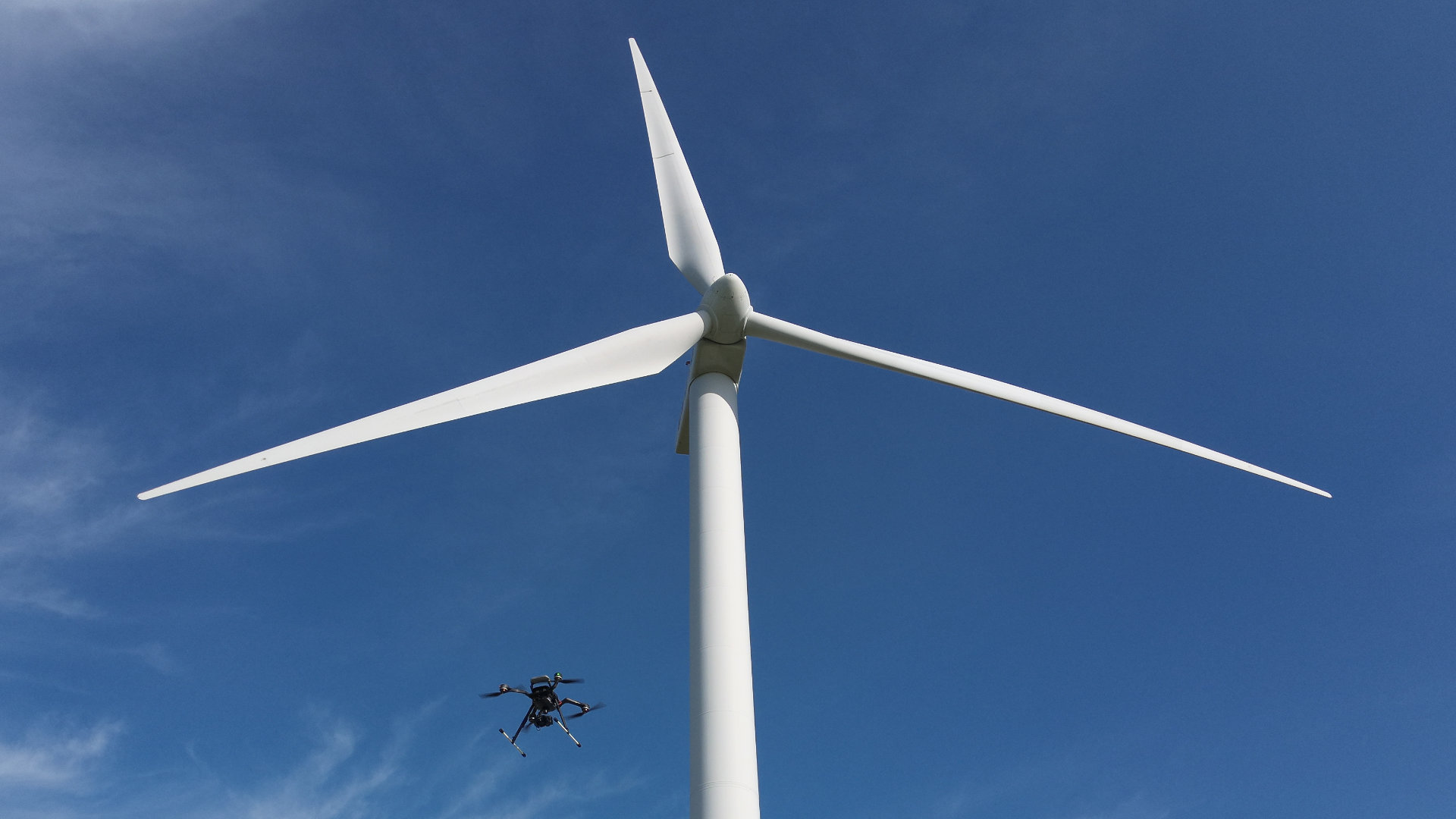
The AQUADA-GO is originated from DTU’s AQUADA research outcomes, focusing on in-field applications for operational wind turbines.
In this project, DTU developed an AI-model that detects blade anomalies from RGB and thermal pictures captured by a drone-based monitoring system, replacing costly and time-consuming manual inspections.
The system features a drone equipped with a thermal camera and AI software that detects damage before it becomes critical, and an algorithm is used for anomaly detection. A full-scale prototype has already been successfully tested and demonstrated on onshore wind farms. The project will end with a demonstration of the technology in an offshore wind farm.
The end users of this technology are blade inspection companies providing service to wind turbine operators.
AQUADA-GO’s achievements confirm the critical need for such a tool and underscore that further development is essential. DTU remains committed to driving innovation and advancing this technology in this field.
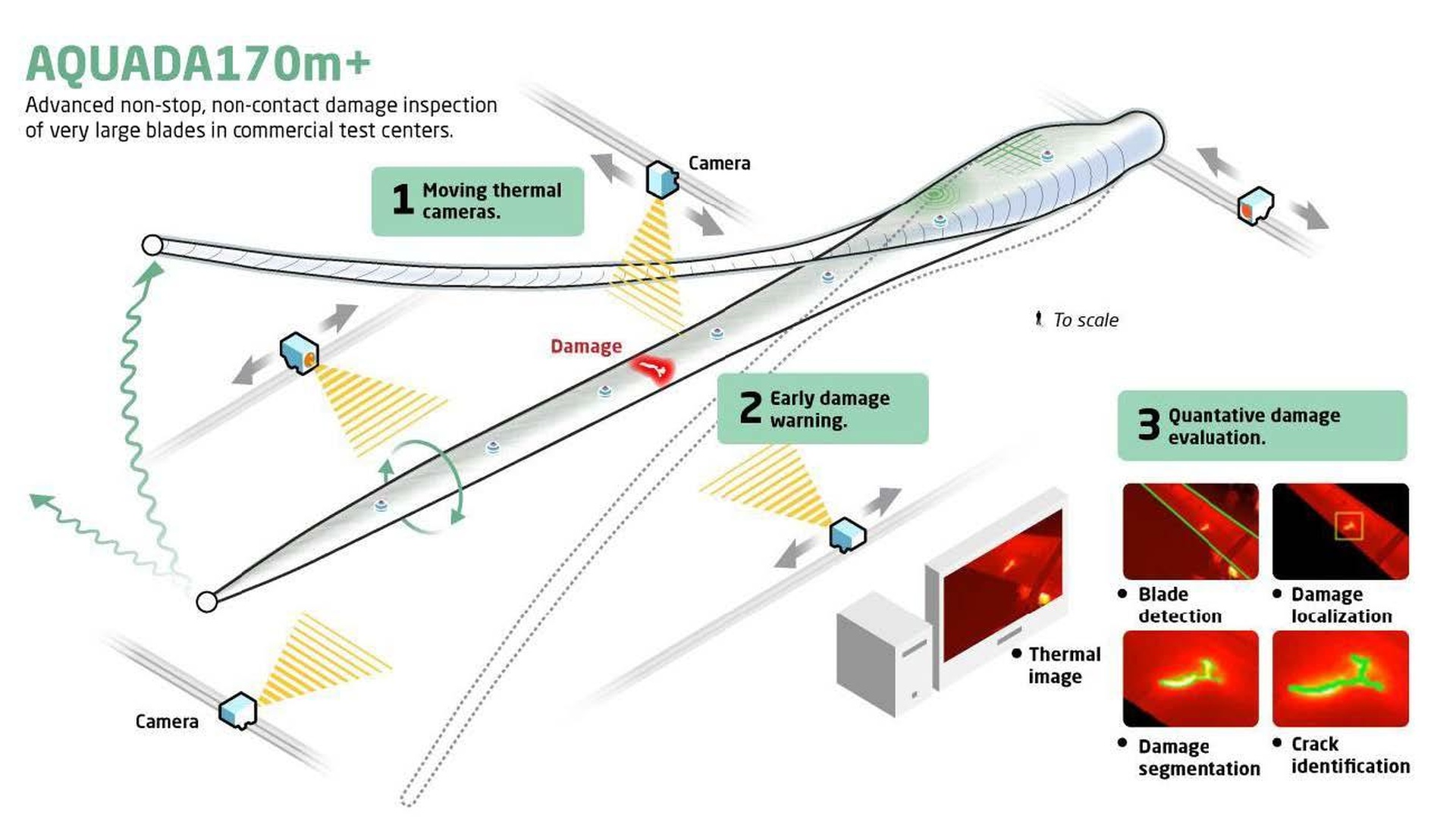
The AQUADA170m+ project will further develop the AQUADA technology by creating a market-ready solution for inspecting very large wind turbine blades — over 170 meters — in test centres.
The AQUADA methodology is evolving into a market-ready solution to detect and track hidden internal damage during blade testing without interruptions. The complete system will combine an adaptable thermal camera platform with modular AI software and a user-friendly interface, making it ready for industrial applications by 2027.
The Aquada-method has the potential to cut inspection costs by up to 50 %, when applied to a baseline land-based wind farm consisting of twenty 2.45 MW turbines.
Source: https://doi.org/10.1002/we.2587
With the outcome of AQUADA 170+, by reducing the repair times and cost of the very large blades, it is estimated/expected to reduce CO2 emission by 5–10 % per blade over the 25 to 30 years lifetime.